

AI that identifies small molecules to reprogram microRNA networks
News

Drug discovery is still built largely around single protein models.
That approach breaks down in complex diseases such as cancer, neurodegeneration, and immune disorders.
The reality:
Remaining protein targets are sparse, crowded, or clinically underwhelming.
Fixing one protein rarely moves the phenotype.
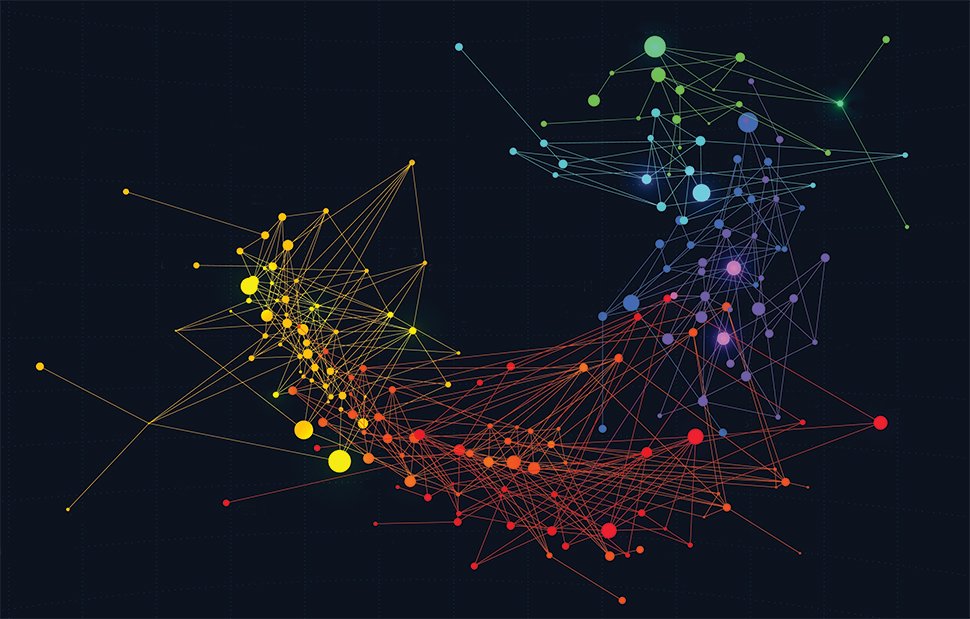
The real control layer—the one that coordinates biological behavior—is the network of microRNAs (miRNAs) that regulate protein expression across entire pathways.
When these miRNA networks are dysregulated, biology becomes chaotic—and single-target drugs lose power.
The Problem
Why miRNA Networks Matter
Acting at the miRNA network level transforms complex, multi-pathway diseases into solvable optimization problems.
We bridge AI and biology to unlock an entirely new therapeutic space—scalable, fast, and effective.
Our Solution
Tesabio.ai introduces an AI platform that identifies small molecules capable of reprogramming disease-specific miRNA networks.
Instead of targeting a single microRNA, we act at the network level—restoring balance across pathways.
By focusing on functional impact, not just molecular binding, Tesabio.ai accelerates discovery and improves therapeutic success.
Lab-Tested Approach
miR-181 network modulation reverses dysregulation in metastatic breast cancer cells (RAS).
miR-451 modulation restores erythropoiesis in an animal model of anemia.